
When a group buys a company, merges two businesses or sells part of its operations, the IT environment rarely follows automatically. Each company often has its own Microsoft 365 tenant with its own users, domains, licences and security settings. Therefore, a tenant migration after an acquisition often becomes one of the largest IT projects after the deal.
A tenant migration after an acquisition is therefore about more than moving email. In fact, it should let people work together from the first day, without harming security or the deal.
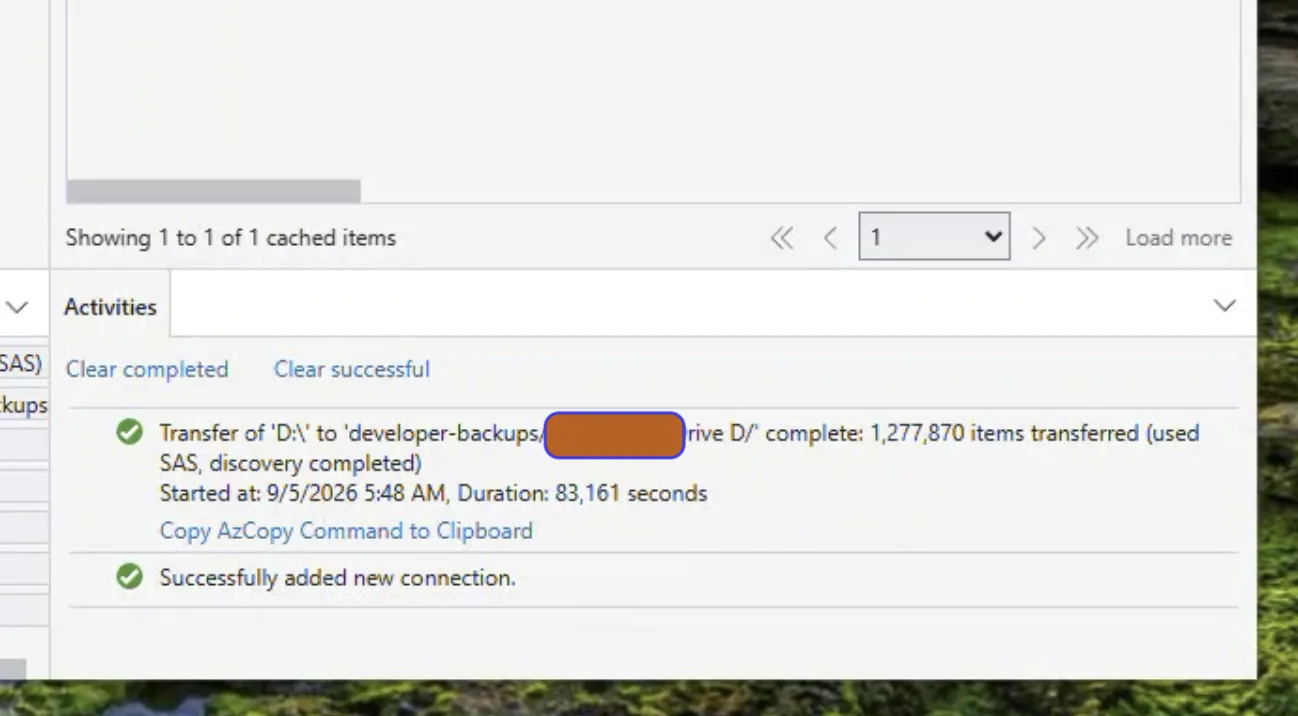
Three scenarios for tenant migration after an acquisition, merger and divestment
Acquisition – two tenants become one
The most common situation is that the buyer wants to move the acquired company into its own tenant. Users, mailboxes, OneDrive, SharePoint, Teams and domains all need a new home.
Sometimes, however, the buyer wants to wait with the move, for example when the acquired company has customers who recognise its email addresses. In that case, we keep the domain and the brand externally, while the company becomes part of the group environment internally.
Merger – two equal companies join forces
In a merger, it is not obvious which tenant should survive. Sometimes the best option is to build a new, clean tenant and move both companies there.
Divestment – part of the group leaves
In a divestment, it is the other way round. Some users and their data must leave the group tenant and move to the buyer’s environment, and there is often an agreement that the seller provides IT during a transition period.
Day 1 – collaboration before the migration is complete
Already on the first day after closing, management wants employees to book meetings, see each other’s calendars and chat in Teams. At the same time, the migration itself often takes several months.
Therefore, we start with coexistence. With Entra ID cross-tenant collaboration features, shared calendars and a common address book, the companies can work together long before the last mailbox has moved.
In addition, cross-tenant synchronisation can create users from the acquired company as members in the buyer’s tenant. As a result, they get access to Teams and SharePoint without signing in as guests.
How we carry out a tenant migration after an acquisition
Inventory and planning
First, we inventory both environments. This covers users, groups, shared mailboxes, SharePoint sites, Teams, app registrations, licences, domains and security settings.
Next, we divide users into waves, often by department or country. Each wave gets a date, a communication plan and a clear support routine after the move.
Identities and domains
After that, we prepare the identities. If the company has an on-premises Active Directory, we move or synchronise the users to the right forest and the right tenant.
A domain can only exist in one tenant at a time. Therefore, we plan the domain move for a weekend and make sure that email keeps arriving throughout the transition.
Data and mailboxes
Then we move the data. For mailboxes, we use Microsoft’s cross-tenant migration tools or Quest On Demand Migration, depending on size and requirements.
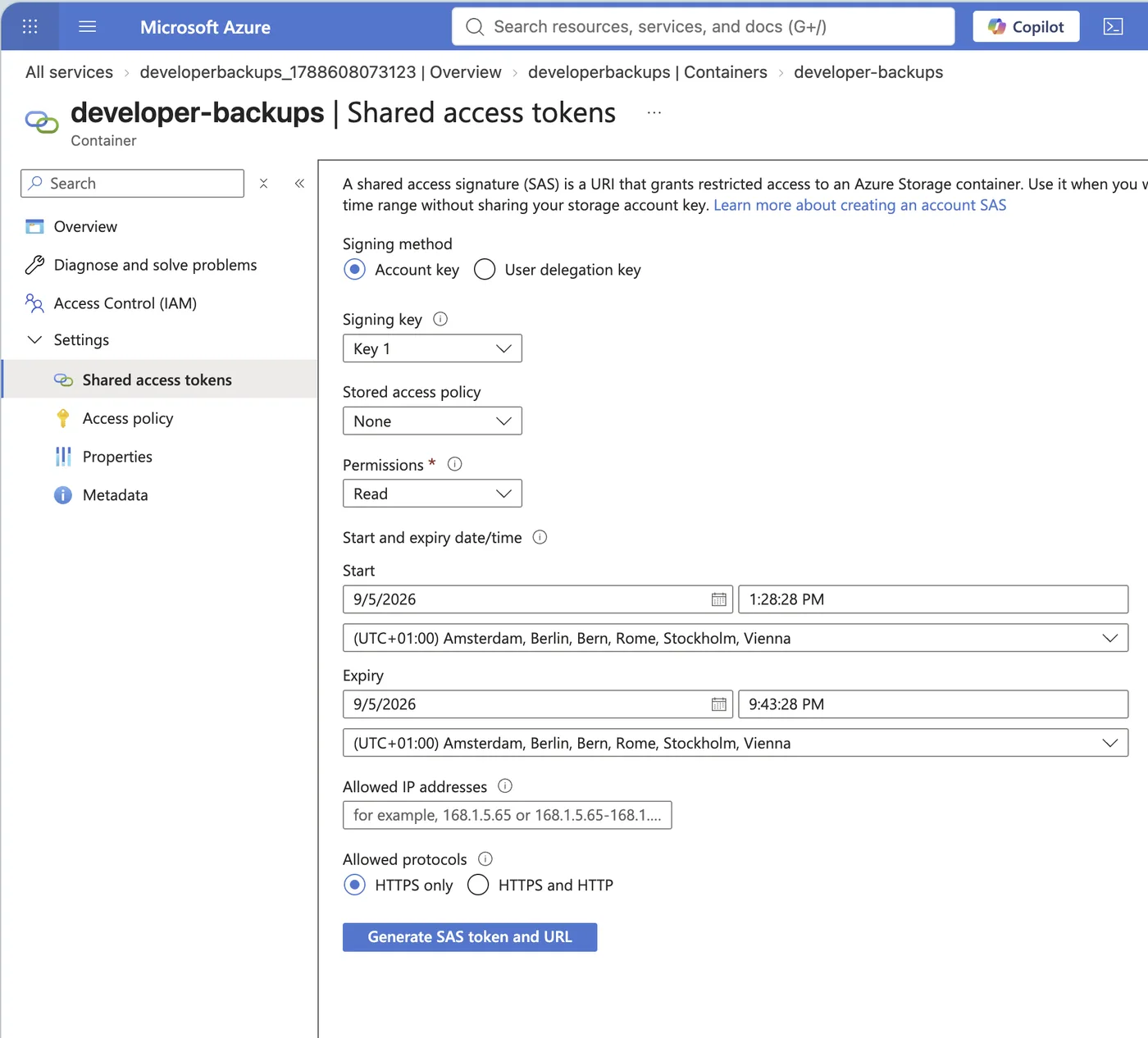
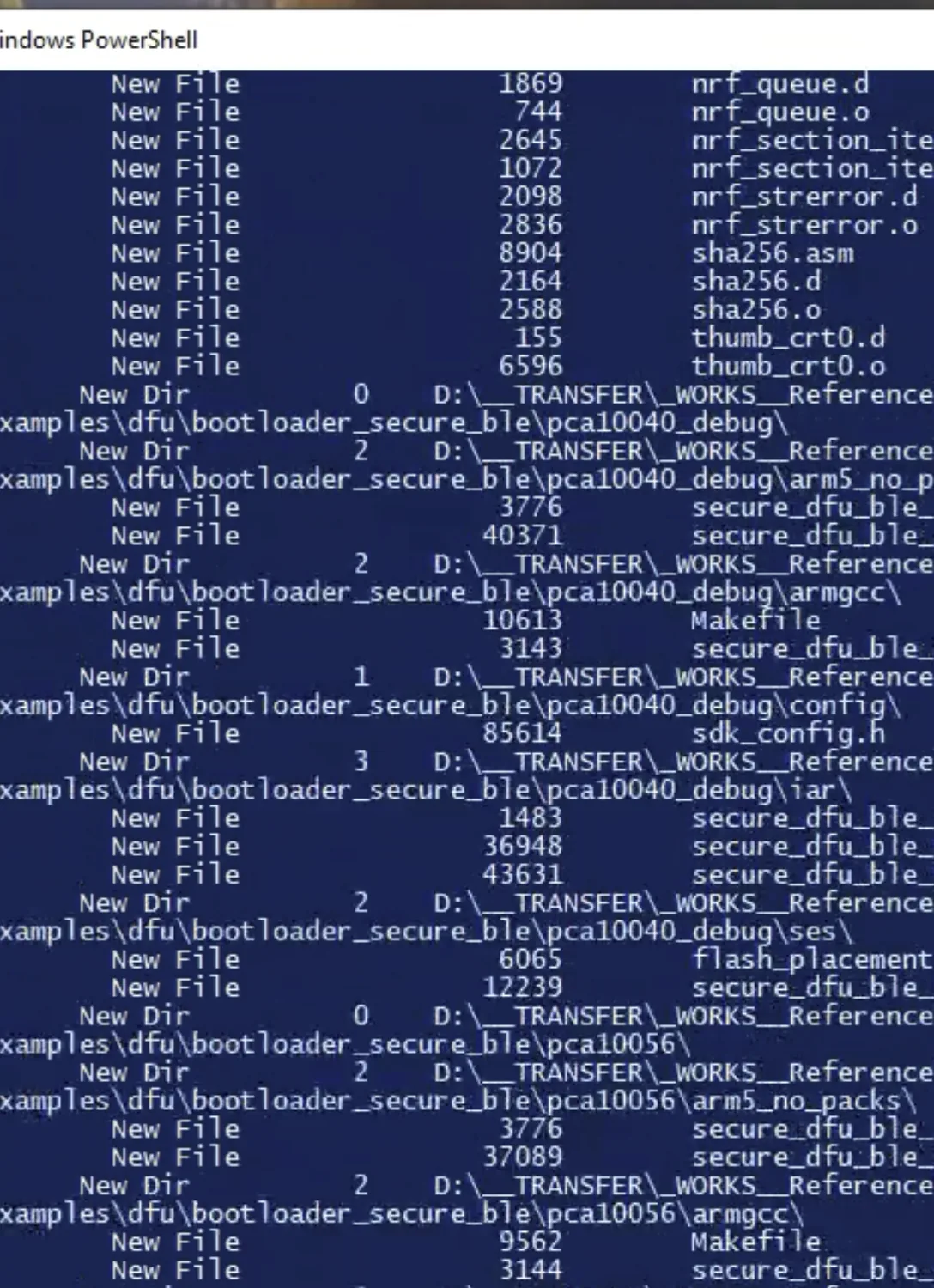
For very large volumes of files, we use AzCopy and Azure Storage, where we have moved more than one million items in a single run. Moreover, we verify the number of files and the size after each step.
Computers and users
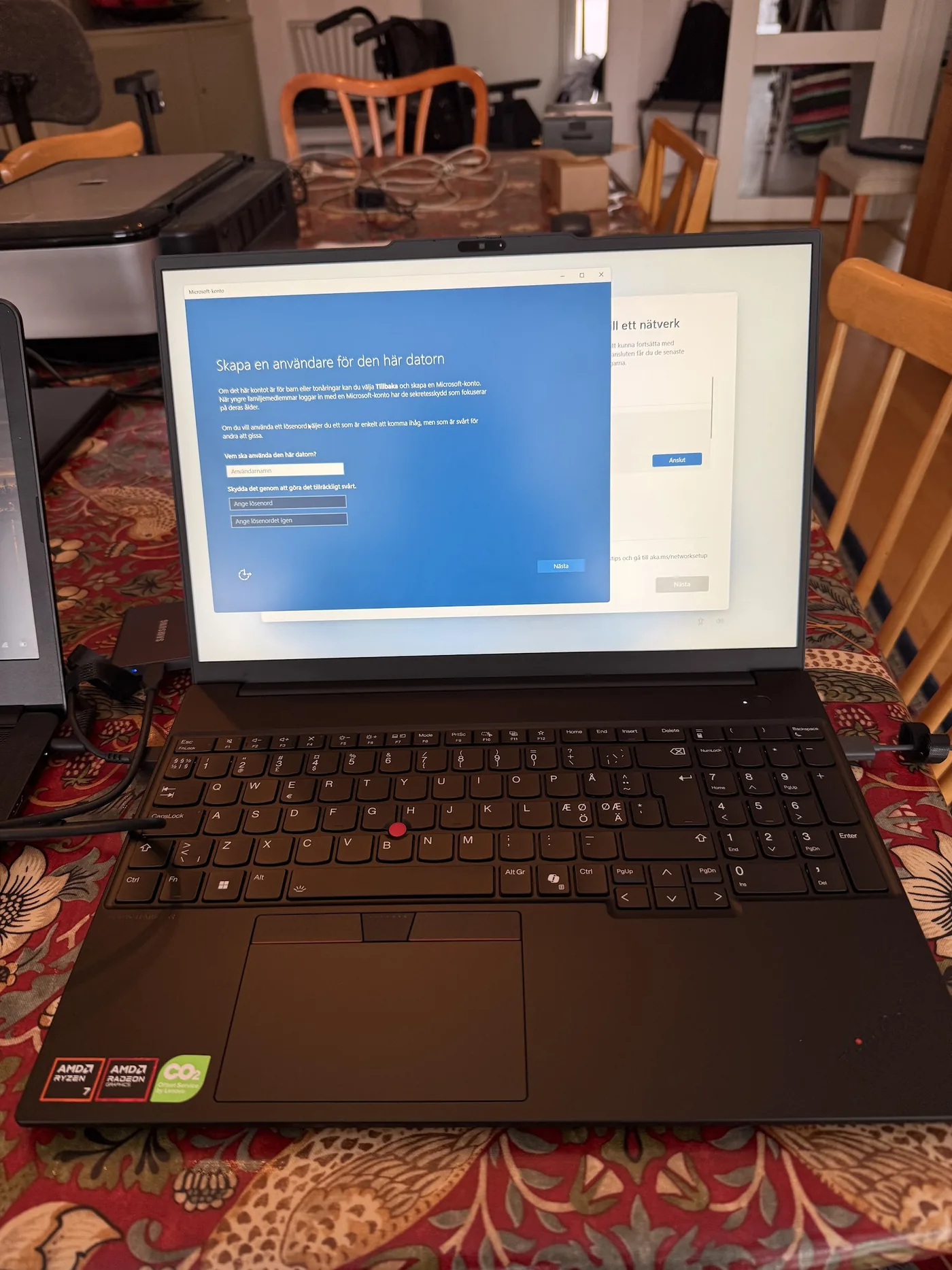
Finally, we move the computers. With Intune and Windows Autopilot, we can reconnect computers to the new tenant with a short restart instead of a reinstallation.
Users receive clear instructions on what to do on the first morning, and we are on site or available remotely to help.
Security during a tenant migration after an acquisition
A migration is a risky situation. There are temporary accounts with high privileges, new trust relationships between tenants and a lot of data on the move.
Therefore, we limit the migration accounts in time and scope, log everything and remove the accounts when the work is done.
Afterwards, we also review guest accounts and sharing links, which often remain long after the project has ended. In addition, we check that the acquired company has no ongoing intrusion before we connect the environments.
Do you also need to rename SharePoint sites after the acquisition? Then read our article on how to rename a SharePoint site.
Microsoft also describes its own tool in the documentation on cross-tenant mailbox migration.
Why groups hire us for tenant migration after an acquisition
We have carried out cross-tenant migrations for companies in several countries, with anything from about ten to several hundred users. In short, we know Exchange, Entra ID, SharePoint, Teams and Intune in depth.
Our prices start at €400 per hour excluding VAT. Since a migration often needs a fixed budget, we are also happy to offer a fixed price per wave or for the whole project.
Frequently asked questions about tenant migration after an acquisition
Planning a tenant migration after an acquisition or merger
- What is a tenant in Microsoft 365?
- Why do the companies need to move to the same tenant?
- How long does a tenant migration take?
- Can we collaborate before the migration is complete?
- What is cross-tenant synchronisation?
- Should we build a new tenant in a merger?
- How do you handle a divestment?
- What happens to the licences?
- Can we run the migration in waves?
- How do we communicate the change to employees?
Technology and data in a tenant migration
- How do you move mailboxes between tenants?
- Do the OneDrive files come along?
- How do you move Teams channels and chats?
- What happens to SharePoint sites?
- How do you move the domain?
- Does email disappear during the domain move?
- Must we reinstall the computers?
- How do you handle on-premises Active Directory?
- Can you migrate between tenants in different countries?
- How do you verify that all data arrived?
Security, price and cooperation
- How do you protect data during the migration?
- How do you handle temporary administrator accounts?
- Do you check the acquired company’s security?
- Can you work under confidentiality before closing?
- Can you work with our lawyers and advisers?
- Do you also work at weekends?
- Are you on site in Stockholm during the move?
- What does a tenant migration after an acquisition cost?
- Do you also offer a fixed price?
- How do we get started once we have decided?