
The Swedish Protective Security Act applies to everyone who carries out security-sensitive activities, that is, activities that matter for Sweden’s security. This may be a public authority, but also an energy company, an IT company or a supplier to the Armed Forces. Therefore, the Protective Security Act and the IT environment go hand in hand.
For many of these organisations, the greatest risk lies in the IT environment. That is where the sensitive information sits, and that is also where most routes in for a foreign power exist. In fact, the law aims to protect against espionage, sabotage and terrorism, and today espionage is mostly digital.

The Protective Security Act and the IT environment – what the law requires
The law requires the operator to carry out a protective security assessment and, based on it, to take the protective security measures needed. The Swedish Security Service’s regulations describe what the assessment must contain, for example protected assets, threats and vulnerabilities.
Information security is one of the three parts of protective security, together with physical security and personnel security. In practice, this means that IT systems must protect security-classified information against unauthorised access, alteration and destruction.
In addition, information systems that handle security-classified information sometimes need security approval before the organisation starts using them. Therefore, the IT department needs to take part in the protective security work from the start.
The Protective Security Act and the IT environment after 1 July 2026
On 1 July 2026, amendments to the Protective Security Act entered into force. The supervisory authorities gained greater powers to intervene against ongoing arrangements that they consider unsuitable, even when the law does not require a protective security agreement.
At the same time, a new duty to notify certain arrangements arrived, and that obligation applies from 1 January 2027. For example, it affects outsourcing of IT operations and procurement of cloud services.
In other words, it is no longer enough to look at the contract once. This applies especially when a supplier in turn uses subcontractors in other countries. You need to be able to show how the supplier gains access, to what and under which conditions.
The Protective Security Act and the IT environment – from assessment to action
Map the protected assets
First, you need to know where the sensitive information is. Does it sit in SharePoint, on a file server, in a database in Oracle Cloud or in an email archive?
The mapping often shows that information has spread to more systems than anyone thought. This applies especially to shared folders, Teams channels and personal OneDrive accounts.
Limit permissions
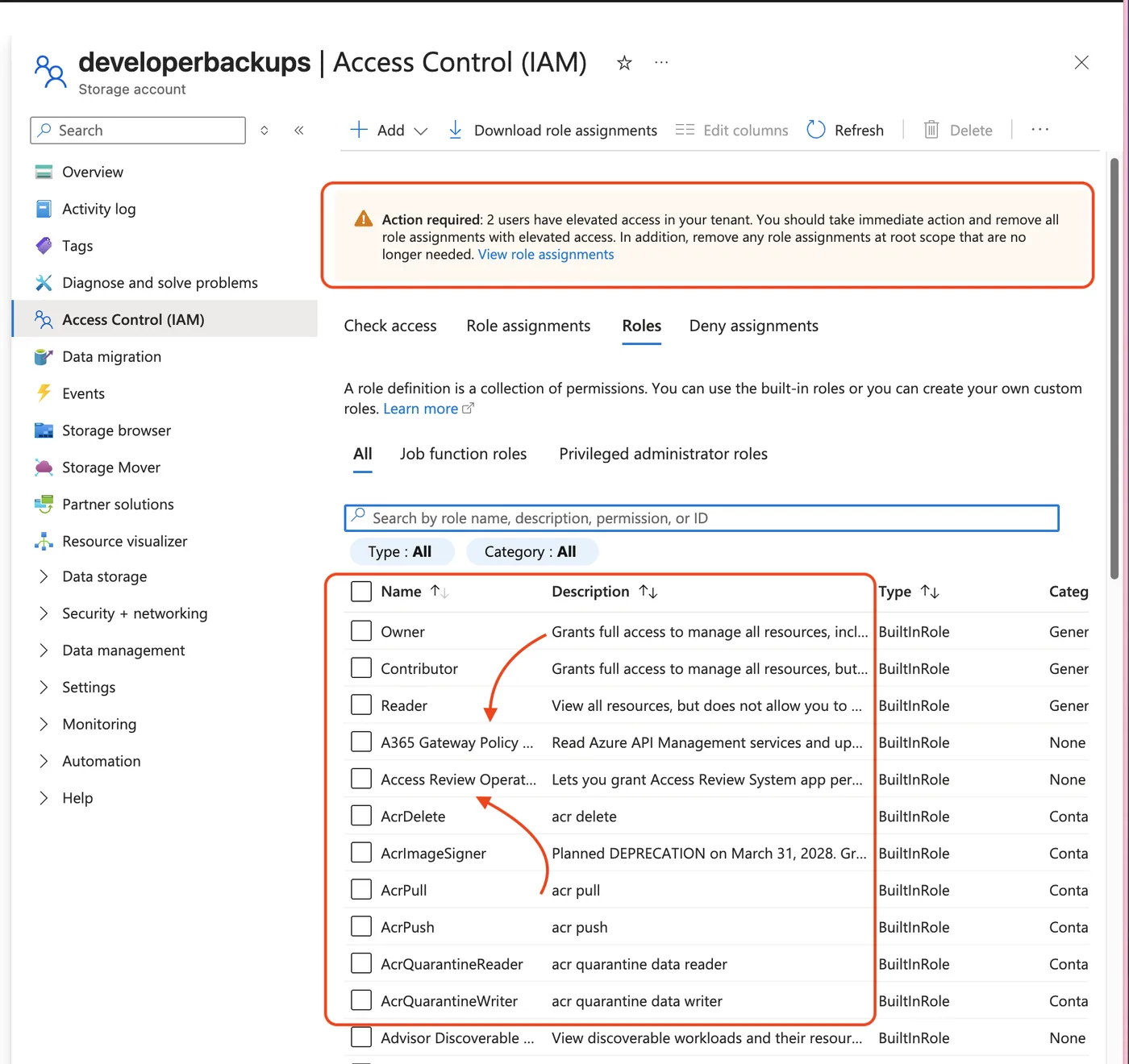
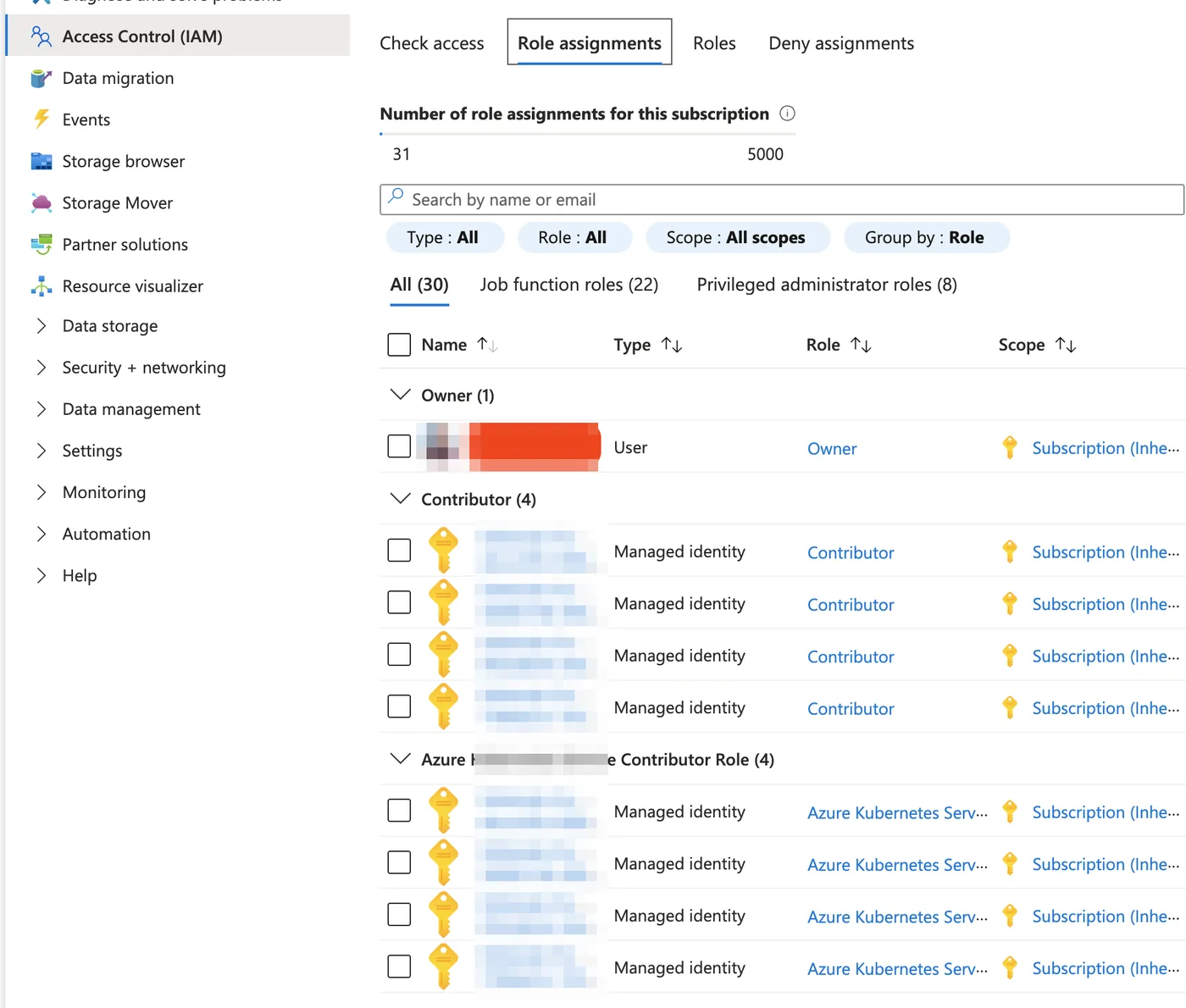
Next, we review who has access. This covers users, administrators, service accounts and suppliers in Entra ID, Azure, AWS and Google Cloud.
The goal is least privilege. Administrators get separate accounts and time-limited rights, and suppliers only get access when they need it.
Log and follow up
After that, you need to see what happens. You need to keep logs of sign-ins, administrator actions and file access, protect them against tampering and review them.
With Microsoft Sentinel or an equivalent tool, you can alert on anomalies, for example downloads of large numbers of documents or sign-ins from unusual locations.
Choose the right cloud service
Finally comes the question of the cloud. You can handle some information in Microsoft 365 and Azure with the right configuration, while other information requires local systems or specially approved solutions.
We help you assess what can sit where and document the assessment, so that you can show it to the supervisory authority.
Link IT with personnel security
Personnel security and the IT environment also go hand in hand. When an employee with a security clearance leaves or changes role, the permissions should disappear the same day, not when someone remembers.
Therefore, we like to connect accounts in Entra ID to the HR system, so that employment, placement and departure control which groups and systems a person can reach. In addition, we regularly check that nobody has kept access after a change of role.
The computers need protection as well. With Intune, we enforce disk encryption with BitLocker, locked USB ports, updates and a rule that only managed computers may open sensitive documents.
If a computer goes missing on a trip, you should be able to wipe it remotely and show that encryption protected the information. In short, this is an example of how a legal requirement becomes a concrete setting.
The Swedish Security Service’s regulations and guidance are also available on the Security Service website.
Why you hire us for the Protective Security Act in the IT environment
The founder of Datorkirurgen AB worked in the Swedish defence industry, at CelsiusTech Vetronics AB and Bofors Weapon Systems within the Celsius group, and later at Ericsson’s research and development units. There, protective security was a natural part of the work.
Today, we turn that experience into technical measures in Entra ID, Intune, Azure, AWS, Oracle Cloud and Google Cloud. We do not replace your security manager; instead, we give them technical documentation that holds up.
Our prices start at €400 per hour excluding VAT. In addition, we are happy to offer a fixed price for a defined review. Read also about the Cybersecurity Act and NIS2, which often apply to the same organisations.
Frequently asked questions about the Protective Security Act and the IT environment
The basics of the Protective Security Act for the IT environment
- Who falls under the Protective Security Act?
- What are security-sensitive activities?
- What is a protective security assessment?
- Who is responsible for protective security in an organisation?
- What does information security mean under the Protective Security Act?
- Which authorities carry out supervision?
- What changed on 1 July 2026?
- What does the new duty to notify mean?
- When must we follow the duty to notify?
- What is a protective security agreement?
Technology, permissions and cloud services
- May security-classified information sit in Microsoft 365?
- Can we use Azure or AWS for security-sensitive activities?
- How do we limit administrators’ permissions?
- What is Privileged Identity Management?
- How should we keep and protect logs?
- How do we find where the sensitive information is?
- How do we handle suppliers’ remote access?
- Do information systems need approval before they go live?
- How does the Protective Security Act affect outsourcing of IT operations?
- Can you review our configuration in Entra ID?
About hiring IT-support Stockholm
- Do you have experience of the defence industry?
- Do you replace our security manager?
- How does a review work?
- How long does a review take?
- Do you work under confidentiality?
- Can you also work on site at our premises?
- Do you also help companies that supply public authorities?
- What does a review of the Protective Security Act and the IT environment cost?
- Do you also offer a fixed price?
- How do we get started once we have decided?