On 15 January 2026, the new Cybersecurity Act entered into force in Sweden. The law implements the EU NIS2 directive and replaces the earlier NIS Act. In other words, the Cybersecurity Act and NIS2 share the same goal, namely a higher minimum level of cyber security across the EU.
The law now covers far more organisations, for example in energy, transport, health care, digital infrastructure, manufacturing and public administration. Moreover, many groups have several companies that the law affects in different ways.
What the Cybersecurity Act and NIS2 require
The law requires organisations to take risk-based security measures. For example, these include risk analysis, incident handling, continuity and backup, supply chain security, vulnerability management, encryption and access control.
In addition, the law places clear responsibility on management. The board and executive management must approve and follow up the security work, and they need sufficient knowledge of cyber security themselves.
Organisations in scope must also register with the Swedish Civil Defence Agency, formerly MSB. Furthermore, short deadlines apply for reporting significant incidents.
From requirements to concrete settings
The legal text says what you must achieve, but not exactly how. That is where we come in.
We translate the requirements into settings and routines in the systems you already use. For example, these may be Microsoft 365, Entra ID, Intune, Azure, AWS, Oracle Cloud or Google Cloud.
Access control and strong authentication
First, we review sign-in. All users should have multi-factor authentication, and administrators should use phishing-resistant methods such as FIDO2 keys.
In addition, conditional access stops sign-ins from unmanaged devices, and time-limited administrator roles reduce the risk if someone still takes over an account.
Email and domains
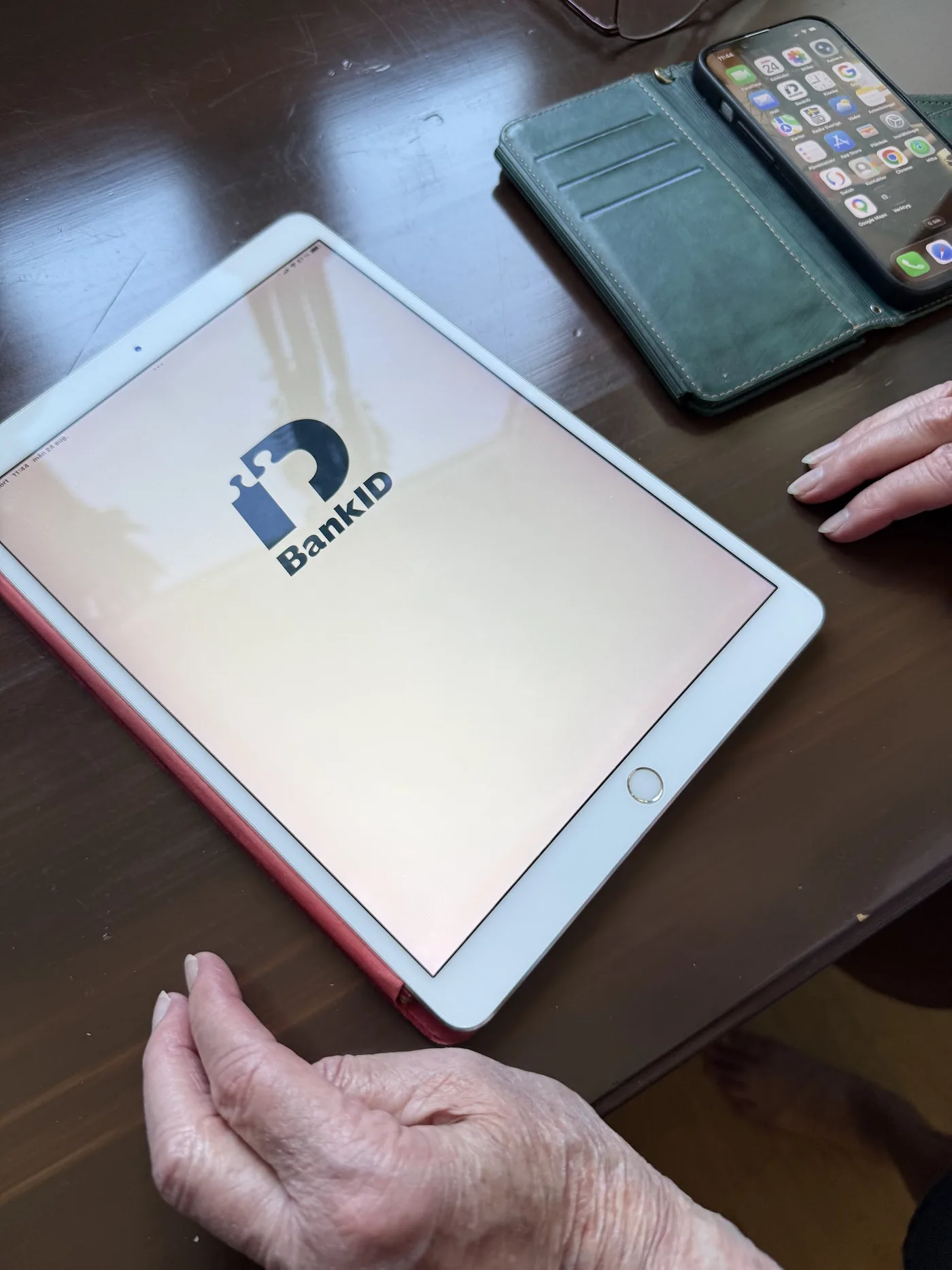
Next, we review your domains. Without DMARC, or with the policy none, anyone can send email in your name.
We introduce SPF, DKIM and DMARC step by step, so that legitimate mailings from finance systems and newsletters keep working. After that, we tighten the policy to quarantine and finally to reject.
Vulnerabilities and updates
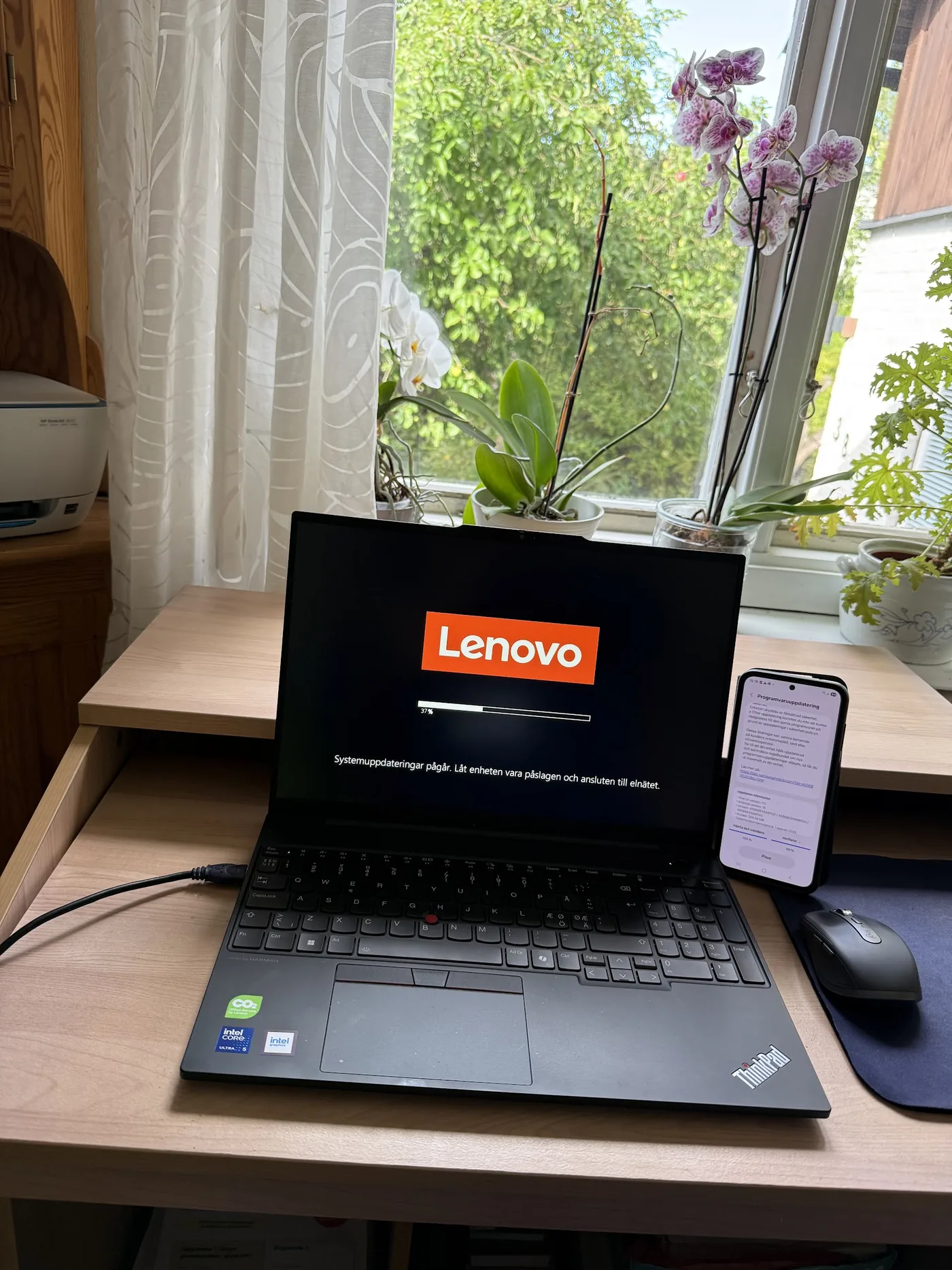
Then we review updates. Computers, servers, firewalls and VPNs should receive security updates within a set time, and you should be able to show that this happens.
With Intune and Windows Autopatch, we handle updates of Windows and Office automatically. For servers in Azure, AWS and Oracle Cloud, we use each cloud’s own update management tools.
Continuity and backup
Finally, we make sure that the business can handle a major outage. Backups of Microsoft 365, servers and databases should be separate from production and tested.
We also draw up a clear continuity plan with prioritised systems, responsible people and contact routes. The plan must work even when email and Teams are down. Therefore, we print it, store it outside the normal environment and practise it at least once a year together with management.
Incident reporting in practice
For a significant incident, you must submit an early warning, then an incident notification and finally a final report. The deadlines are short, and the early warning must arrive within 24 hours.
This only works if someone detects the incident in time and knows who makes decisions. Therefore, we connect alerts from Microsoft Defender and Sentinel to an on-call list and write a short template for the early warning.
At the same time, we decide in advance what counts as significant for your particular organisation. As a result, management avoids debating definitions in the middle of a crisis.
Read more about how we work when something has happened in the article on incident response after a data breach.
The supply chain
The law requires you to manage risks at your suppliers. For example, this applies to IT operations providers, cloud services and consultants with remote access.
In practice, this means that you need to know which suppliers have access to what. Therefore, we inventory guest accounts, app registrations and delegated administrator rights in Microsoft 365, which often remain after earlier suppliers.
Groups with several companies
For a group, the question quickly becomes which companies the law covers and whether they should share solutions or have separate ones. Often, the companies have different tenants, different suppliers and different maturity levels.
We map the companies and define a shared minimum level that all of them must meet. After that, the companies within scope receive the additional measures they need.
If your organisation is also security-sensitive, the Protective Security Act applies as well. Read more in our article on the Protective Security Act and the IT environment.
The Swedish county administrative boards also describe supervision in their information on cyber security supervision (in Swedish).
Why you hire us for the Cybersecurity Act and NIS2
We are engineers, not only advisers. Therefore, we do not just deliver a report; we also carry out the measures in your systems and document them so that you can show them during supervision.
Our prices start at €400 per hour excluding VAT. In addition, we are happy to offer a fixed price for a gap analysis or a complete implementation. Contact us via the form on our home page.
Frequently asked questions about the Cybersecurity Act and NIS2
Who falls under the Cybersecurity Act and NIS2?
- When did the Cybersecurity Act enter into force?
- What is the difference between NIS and NIS2?
- Which sectors are in scope?
- How do we know if our company is in scope?
- Are smaller companies in a group in scope?
- Where do we register?
- What is the Swedish Civil Defence Agency?
- What responsibility does the board have?
- What happens if we do not follow the law?
- Does the law apply to municipalities and regions?
Technical measures under the Cybersecurity Act and NIS2
- Which security measures does the law require?
- Is multi-factor authentication with SMS enough?
- Why is DMARC important?
- How quickly must we install security updates?
- How should we handle backups?
- What does supply chain security mean?
- How do we find old suppliers’ access in Microsoft 365?
- Can Microsoft 365 and Azure meet the requirements?
- Do we need Microsoft Sentinel?
- How do we report a significant incident?
About hiring IT-support Stockholm
- Do you do both analysis and implementation?
- How long does a gap analysis take?
- Can you help groups with several tenants?
- Do you work together with our existing IT supplier?
- Can you train management?
- Can you help us prepare for supervision?
- Do you also work on site in Stockholm?
- What does implementing the Cybersecurity Act and NIS2 cost?
- Do you also offer a fixed price?
- How do we get started once we have decided?