
When someone discovers a data breach, it is easy to act too fast or too slowly. Someone switches off the server and destroys the evidence, or everyone waits for the full picture while the attacker carries on. Therefore, you need clear incident response after a data breach before anything happens.
Professional incident response after a data breach is about doing the right things in the right order. First, we stop the attacker, then we secure the evidence, and after that we restore the business in a way that lasts.

Signs of a data breach – and when incident response is needed
Sometimes the signs are obvious, for example encrypted files or a ransom note. More often, however, they are subtle.
For example, there may be a new administrator that nobody created, mail rules that forward messages to an unknown address or a website that suddenly ranks for gambling sites in Google. In addition, servers may slow down, computers may restart without explanation or backups may fail.
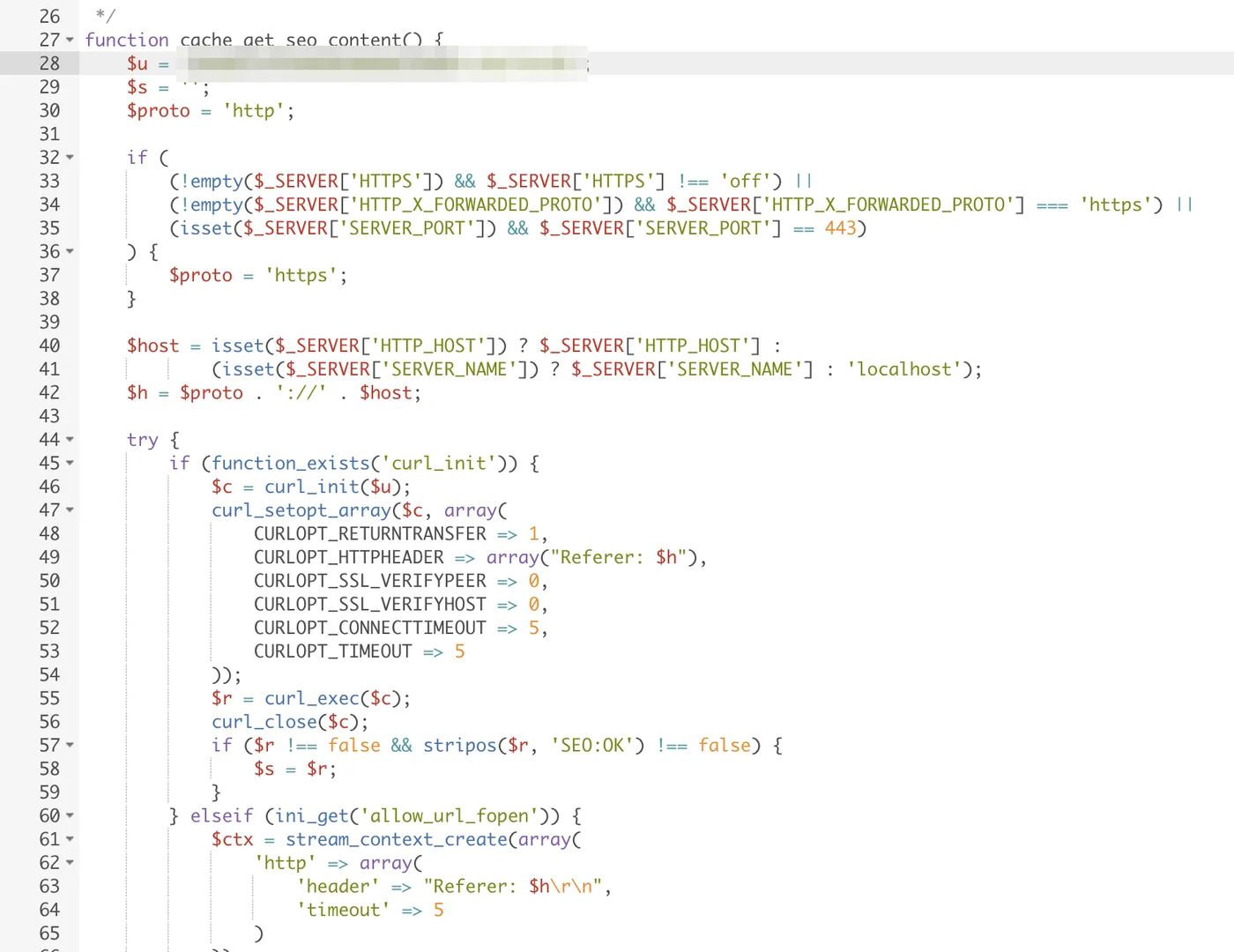
In one of our assignments, we found a WordPress plugin that fetched spam links from an external server and showed them only to search engines. The owner saw nothing, but Google did.
Five steps in our incident response after a data breach
1. Contain and stop
First, we isolate affected computers and servers from the network without switching them off. In this way, the memory and the logs remain for the investigation.
At the same time, we block compromised accounts, revoke active sessions in Entra ID and change passwords and keys for service accounts. If the attacker has had access to cloud environments in Azure, AWS or Google Cloud, we also rotate the access keys there.
2. Secure the evidence
Next, we collect logs from Microsoft 365, Entra ID, firewalls, servers and cloud services. Microsoft 365 keeps its logs for a limited time only, so this must happen quickly.
Moreover, we document what we do and when, so that the material holds up if the case goes to the Police or a court.
3. Investigate
After that, we reconstruct the course of events. How did the attacker get in, which accounts did the attacker use, which data left the environment and are there backdoors left?
The answer decides what you need to report and to whom. Furthermore, it decides whether you can trust the environment again or whether we need to rebuild parts of it.
4. Restore
Then we restore systems from backups that we have verified as clean. We also harden sign-in, remove unnecessary permissions and close the route the attacker used.
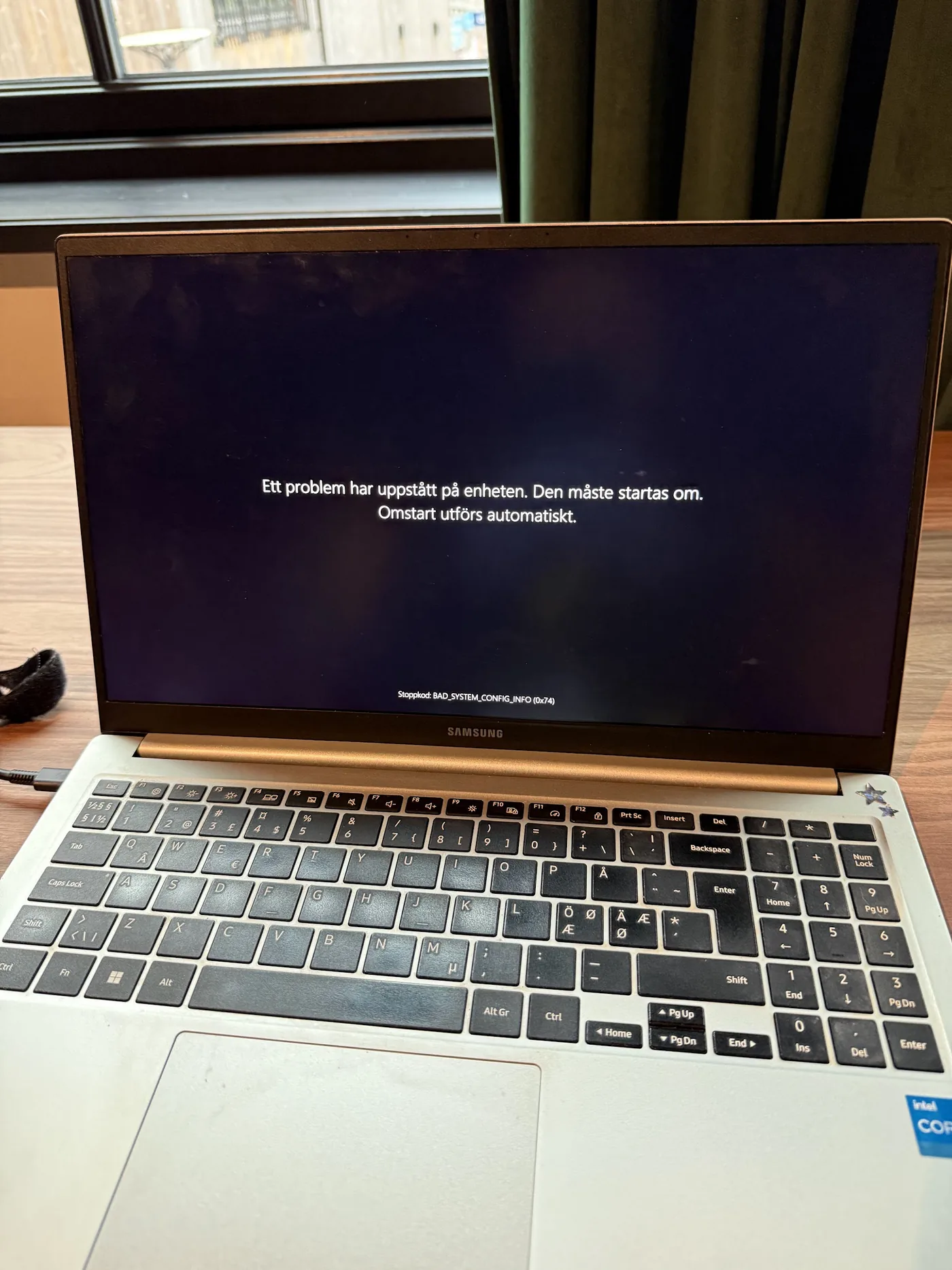
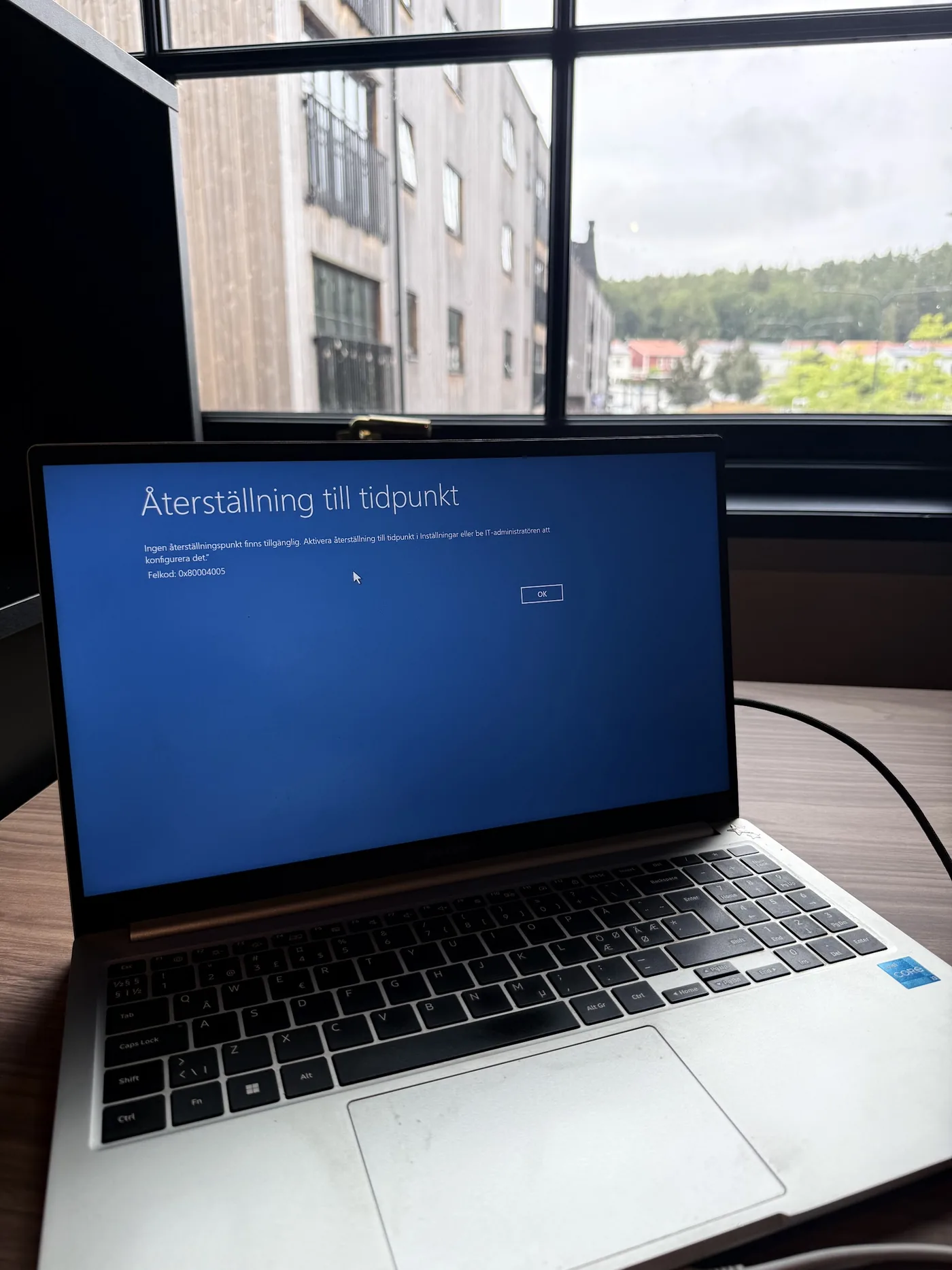
Often, however, it turns out that no working restore points exist. In that case, we rebuild computers and servers from scratch with Intune, Autopilot and scripted installations instead.
5. Learn and improve
Finally, we summarise the incident in a report to management. The report describes the cause, the impact, the actions and what you should change so that it does not happen again.
When the breach starts as a fraud attempt
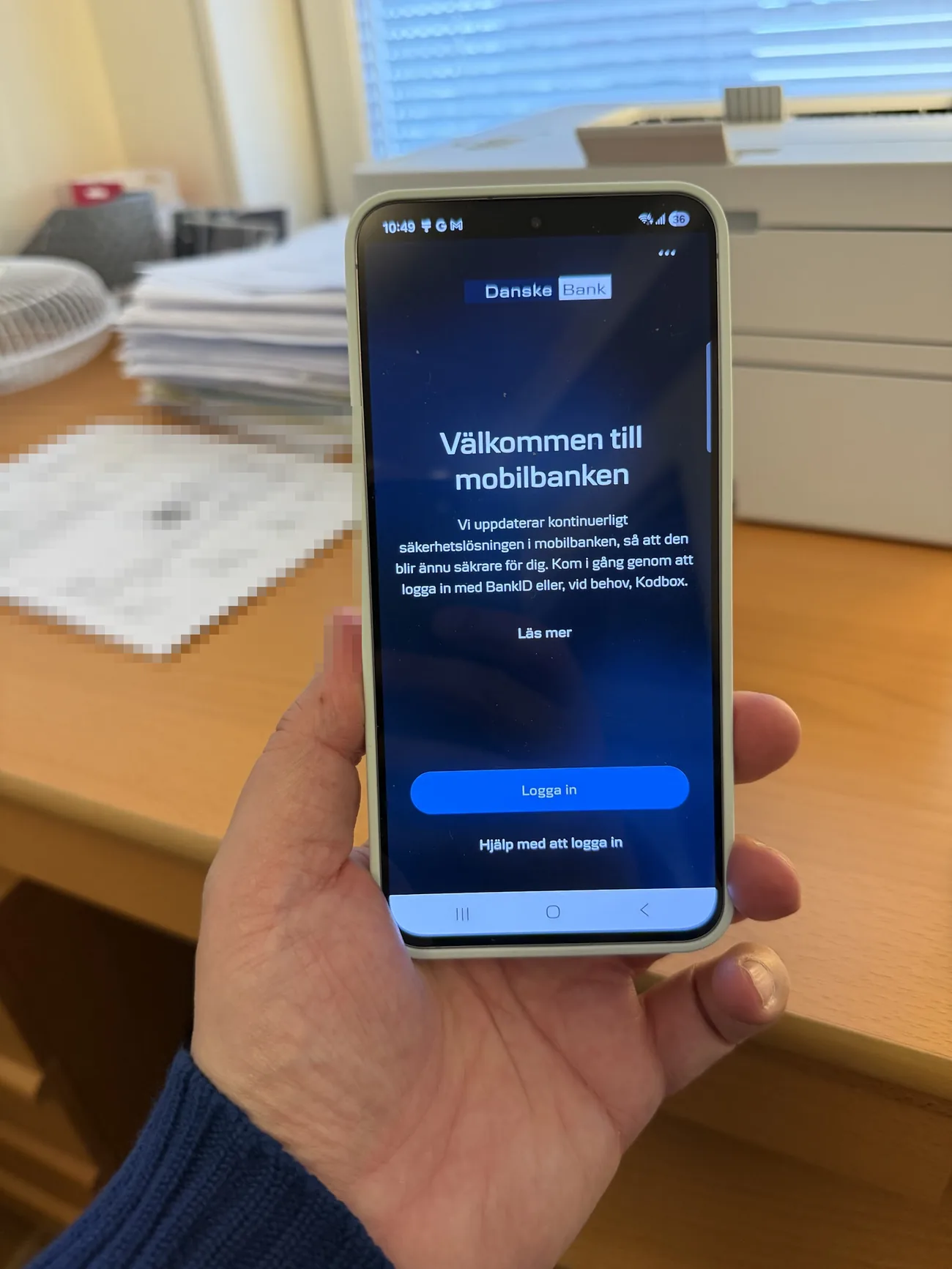
Many breaches start as a fraud attempt against a single employee. For instance, it may be a text message claiming to come from the bank, a fake support call or an advert that lures the user to a payment page.
In such cases, we check the phone as well. We review which apps someone has installed, whether anyone has received remote access and whether the bank or BankID has been in use without the employee’s knowledge.
Special requirements for law firms and public authorities
A law firm has a duty of confidentiality towards its clients, and a breach can expose documents in ongoing cases and transactions. Therefore, the investigation needs to show exactly which files and mailboxes the attacker could read.
At a public authority, the breach may also involve official documents, classified information or security-sensitive activities. In that case, the Public Access to Information and Secrecy Act, and sometimes the Protective Security Act, govern how you may handle the material.
We work under confidentiality and limit who may see your material. When needed, we sign a non-disclosure agreement before the work starts, and we never disclose information without your approval.
For groups with several companies and several tenants, coordination is often the greatest challenge. We therefore work from a shared situational picture, so that all companies act on the same information and the same priorities.
Incident response after a data breach and the duty to report
A data breach often means a personal data breach. In that case, you must report it to the Swedish Authority for Privacy Protection within 72 hours under the GDPR.
If your organisation falls under the Cybersecurity Act, special deadlines also apply for reporting significant incidents. Similarly, if you carry out security-sensitive activities, you must also report to the supervisory authority under the Protective Security Act.
We help you assess what applies in your case and prepare the documentation. However, you submit the report yourselves as the operator, since the responsibility lies with you.
If you want to prevent the next attack, you can read our article on ransomware protection.
The Swedish Authority for Privacy Protection also publishes guidance on personal data breaches.
Call early – incident response after a data breach starts at once
If you suspect an ongoing breach, it is better to call directly than to write in the form. In fact, the first hours often decide how much data disappears.
We work remotely across Sweden and come on site in the Stockholm area when needed. Our prices start at €400 per hour excluding VAT, and for larger investigations we are happy to offer a fixed price or a price cap.
Frequently asked questions about incident response after a data breach
Detection and first steps in incident response after a data breach
- How do we know if we have suffered a data breach?
- Should we switch off the server immediately?
- Which accounts should we block first?
- How quickly must we secure the logs?
- How long does Microsoft 365 keep its logs?
- Can the attacker still have access after the password change?
- What do we do if someone has forwarded our email to an unknown address?
- How do we find hidden backdoors?
- Can you help with breaches in AWS and Google Cloud?
- Can you clean a hacked WordPress website?
Investigation and recovery
- How long does an investigation take?
- Can we trust our backups after a breach?
- Must we reinstall all computers?
- What does the report to management look like?
- Can the material support a police report?
- What happens if no restore points exist?
- How do we prevent the same thing from happening again?
- Can you work together with our own IT department?
- Can you help with communication to customers?
- How do you handle confidentiality during the investigation?
Reporting, contracts and price
- Must we report the breach to the Swedish Authority for Privacy Protection?
- What applies under the Cybersecurity Act?
- What applies to activities under the Protective Security Act?
- Should we report the data breach to the Police?
- Does our insurance cover the cost?
- Can we sign an on-call agreement in advance?
- Do you also work for private individuals?
- What does incident response after a data breach cost?
- Do you offer a fixed price for an investigation?
- What is the fastest way to reach you?