Security requirements for suppliers now decide who wins contracts in Northern Sweden. Data centre operators, the Armed Forces, mining companies and new green industry all depend on hundreds of subcontractors, from construction and electrical firms to consultants and law firms. IT-support Stockholm helps these suppliers meet their customers’ demands on accounts, email, logging and incident handling.
Large customers, long supply chains
In fact, the major projects in the north involve very large buyers. For example, Meta operates a data centre campus in Luleå, Microsoft is expanding in Gävle and Sandviken, and EdgeConneX plans a large data centre site in Skellefteå. Further south, atNorth plans a 300 MW data centre in Sollefteå, and Google has bought the Torsboda industrial park in Timrå.
In addition, LKAB, Stegra and Lyten run industrial projects in Kiruna, Boden and Skellefteå, while the Armed Forces expand in Norrbotten. Moreover, all of them rely on local and national suppliers. Consequently, a small installation firm or consultancy can suddenly receive the same questionnaire about cyber security as a large corporation.
What customers ask for
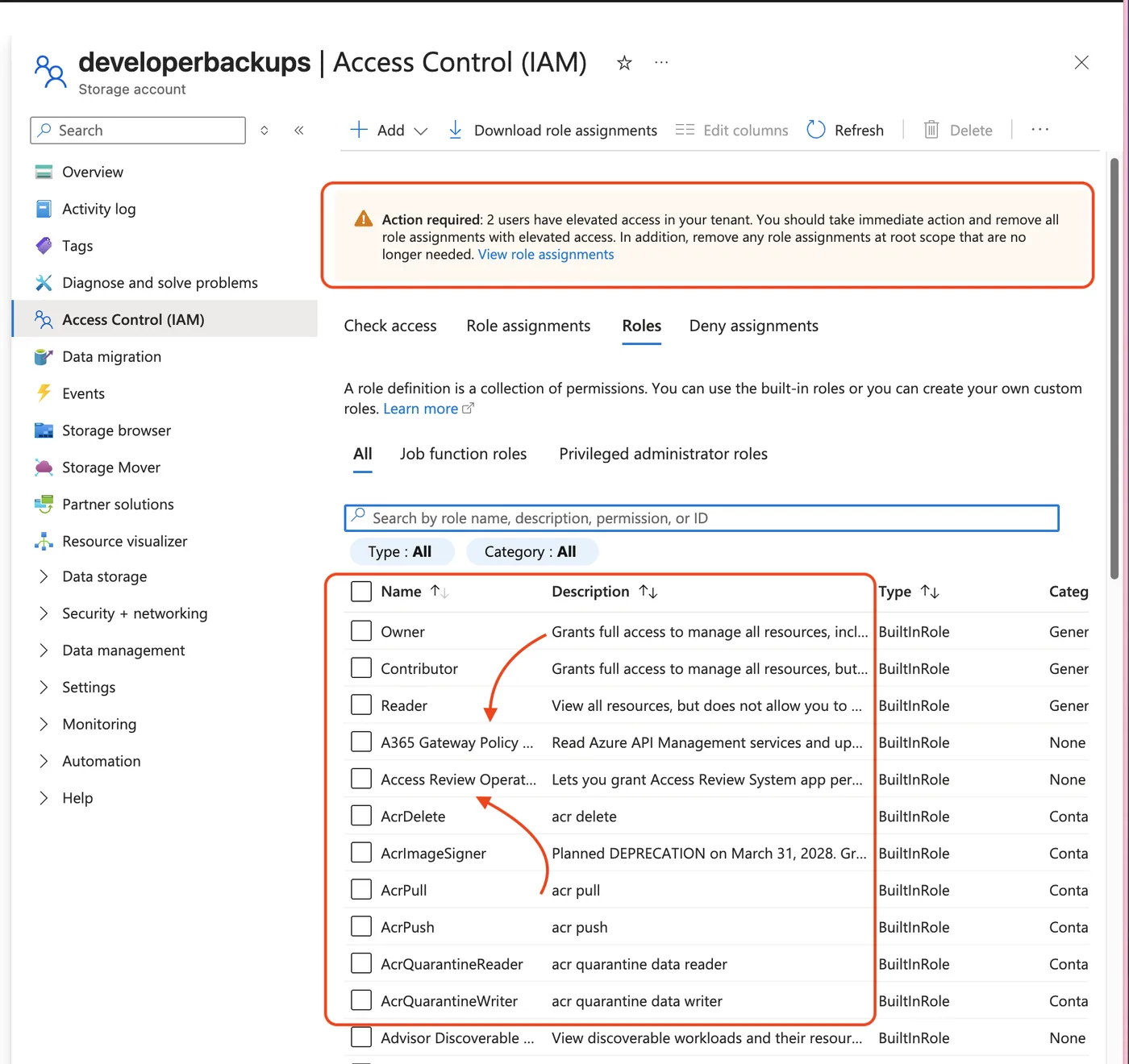
The questions usually follow the same pattern. To begin with, the customer wants to know that every person has a personal account with multi-factor authentication. Secondly, the customer asks how the supplier protects email, documents and drawings. Finally, the customer wants a named contact and a routine for reporting incidents within a short time.
Moreover, the Cybersecurity Act, which has applied since 15 January 2026, requires organisations in its scope to manage security in their supply chain. Therefore, many buyers now pass the requirements on to their suppliers in contracts. For assignments that touch Sweden’s security, the customer may also require a protective security agreement under the Protective Security Act.
Accounts, devices and permissions
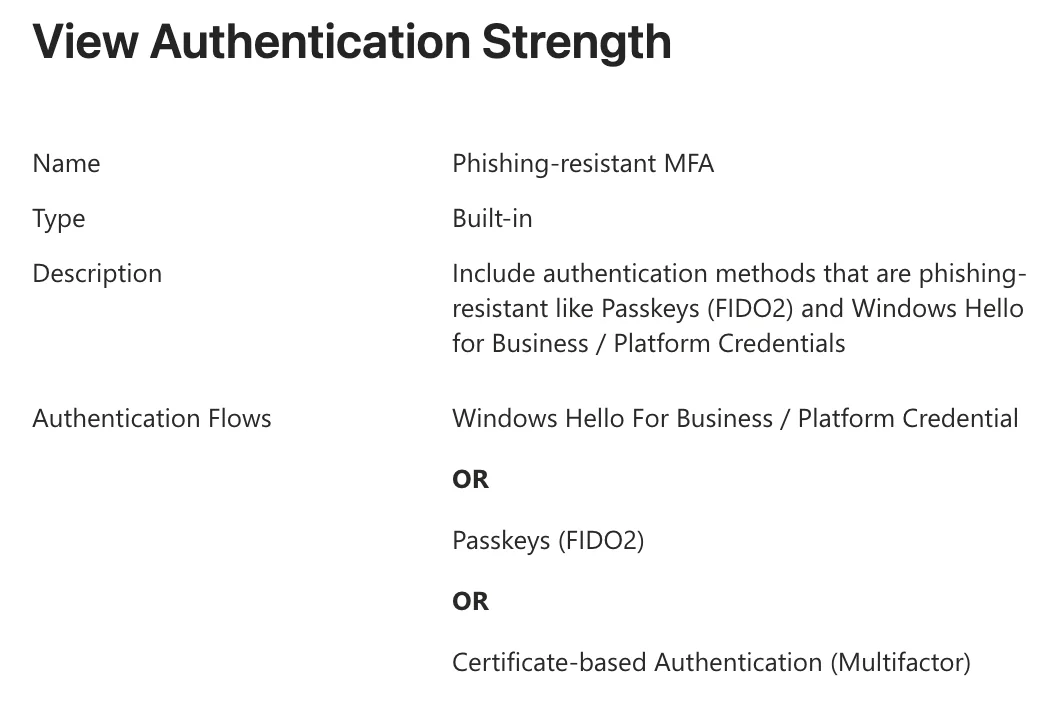
We start with identity, because most intrusions begin with a stolen password. For this reason, we set up Entra ID with phishing-resistant multi-factor authentication, conditional access and separate administrator accounts. Furthermore, we remove old accounts, shared logins and forgotten access for former subcontractors.
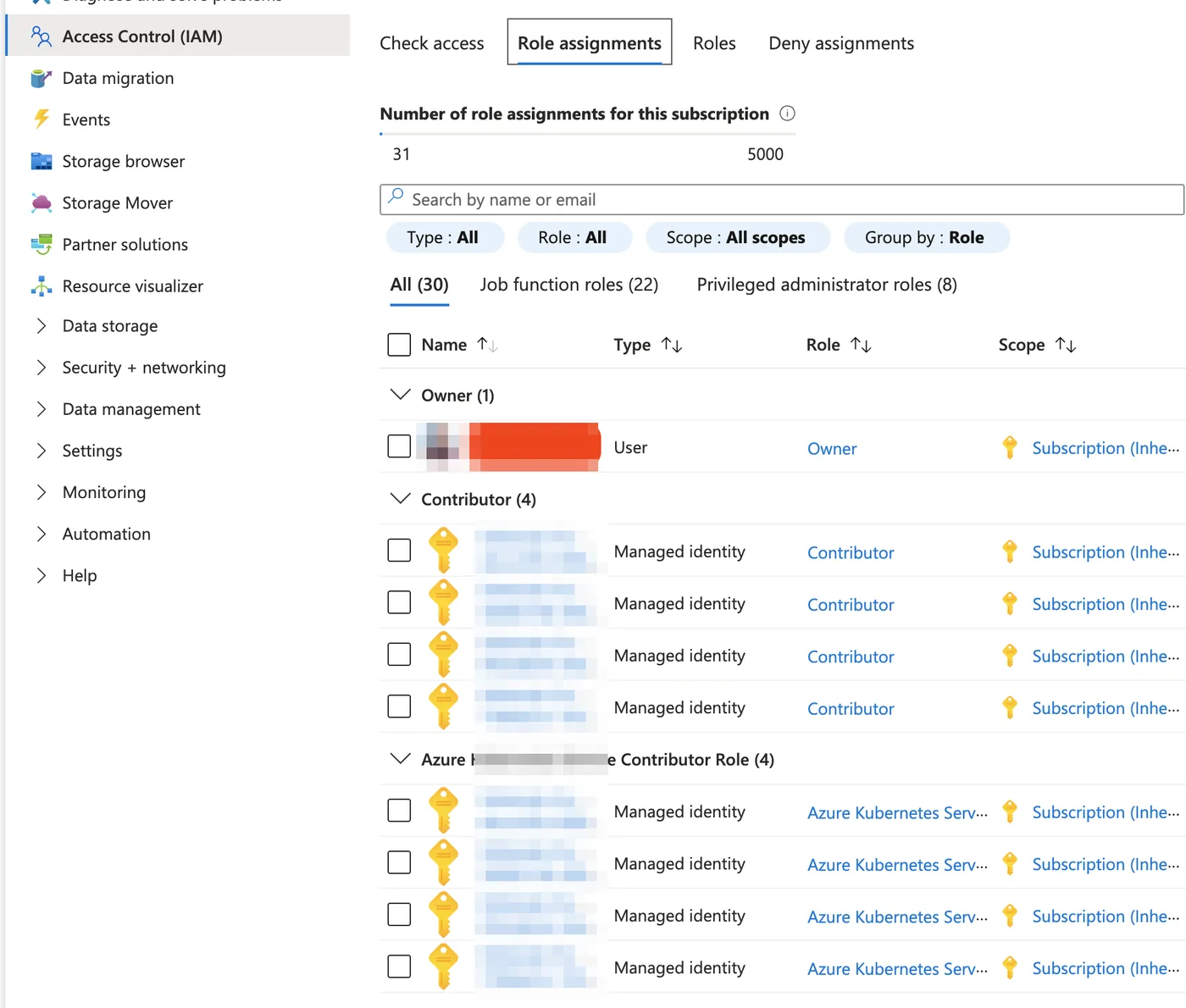
After that, we bring all computers and phones under management with Intune, encryption and Microsoft Defender. Similarly, we give each project its own SharePoint site or Teams team with clear permissions. As a result, the supplier can show the customer exactly who can open the drawings for a specific site.
Email that the customer can trust
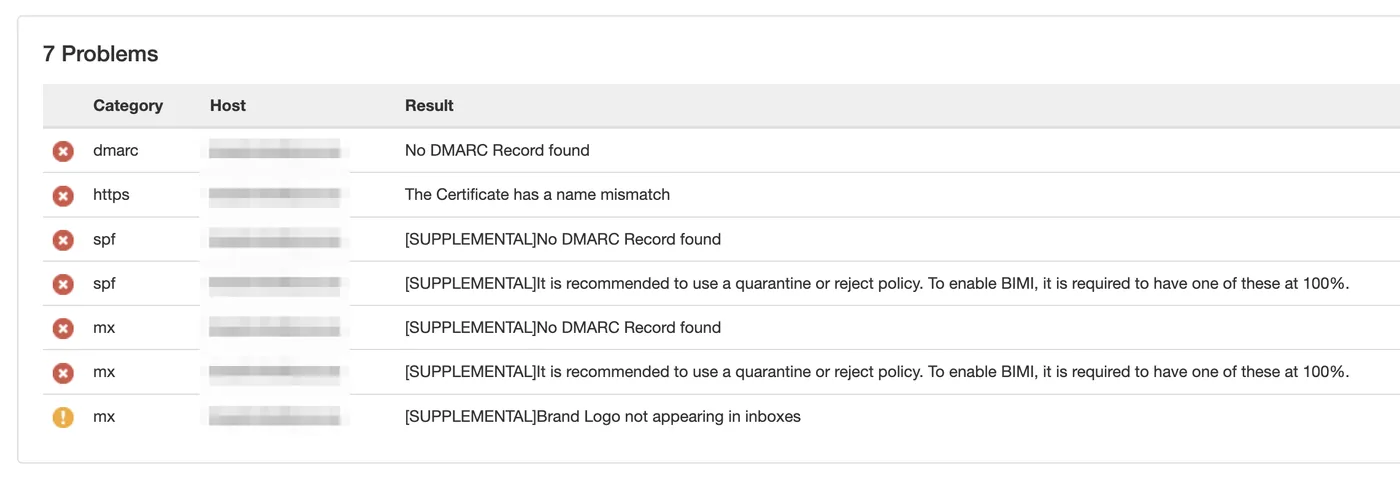
In particular, fake invoices and changed bank details are a common attack against suppliers in large projects. Attackers watch public procurements, register similar domains and then send convincing messages to the customer’s accounts department. Therefore, we configure DMARC, DKIM and SPF for the supplier’s domain and train the staff to recognise these attempts.
In addition, we set up policies in Microsoft Defender against phishing and malicious attachments. Consequently, both the supplier and the customer receive fewer fake messages, and the customer’s security team sees that the domain is protected.
Documentation, logging and incidents
Above all, large customers want evidence, not promises. We therefore document the environment: networks, accounts, licences, backups and the routine for incidents. Furthermore, we turn on logging in Microsoft 365 and Azure, so that the supplier can show what happened if something goes wrong.
Finally, we help the supplier answer the customer’s questionnaire and prepare for audits. Law firms, accountants and engineering consultancies that advise these projects handle confidential material too, so the same approach applies to them. In short, meeting security requirements for suppliers becomes a competitive advantage rather than an obstacle.
Contact Datorkirurgen AB about security requirements for suppliers
IT-support Stockholm is part of Datorkirurgen AB. The founder has worked in the Swedish defence industry and at Ericsson’s research and development units, and we have more than 30 years of experience of IT and information security.
In addition, our prices start at €400 per hour excluding VAT, and we are happy to offer a fixed price for a defined project. Meanwhile, the Swedish Security Service describes protective security on sakerhetspolisen.se. Contact us via the form on our home page, and we will help you answer your customer’s requirements.
Frequently asked questions about security requirements for suppliers
Security requirements for suppliers in large projects
- Which security requirements do data centre operators set?
- What do the Armed Forces require from suppliers?
- What is a protective security agreement?
- Does the Cybersecurity Act apply to subcontractors?
- How do we answer a security questionnaire?
- Do we need ISO 27001 certification?
- How quickly must we report an incident?
- Can a small company meet the same requirements?
- Do law firms and consultancies face the same demands?
- How often do customers audit their suppliers?
Accounts, devices and email
- What is phishing-resistant MFA?
- Should administrators have separate accounts?
- How do we remove access for former staff?
- Do we need to encrypt laptops?
- How do we share drawings securely with a customer?
- Can we use personal phones for work?
- How do we protect our domain against fake email?
- What do DMARC, DKIM and SPF do?
- How do we stop fake invoices?
- Which logs should we keep?
Working with IT-support Stockholm
- Can you help us before a procurement?
- Can you work with our existing IT supplier?
- Do you offer support in English?
- Do you work on site in Northern Sweden?
- Do you sign confidentiality agreements?
- Can you train our staff?
- How long does a review take?
- Do you offer a fixed price?
- What do security requirements for suppliers cost to meet?
- How do we get started?