More and more central government agencies, municipalities and regions are moving email, documents and operational systems to the cloud. At the same time, the Public Access to Information and Secrecy Act, the General Data Protection Regulation and sometimes the Protective Security Act apply. Therefore, cloud services for public authorities require a careful analysis before anything moves.
In this article, we go through what the laws require in practice and how we build solutions that the authority can stand behind in an audit.
What the law says about cloud services for public authorities
Secrecy in outsourcing
For a long time, it was unclear whether an authority disclosed confidential information when a supplier took care of IT operations. Since 1 July 2023, the Public Access to Information and Secrecy Act therefore contains an explicit rule that lifts secrecy for technical processing and storage.
The rule makes it possible to hand over information to a supplier that only processes or stores it technically. However, it only applies if the disclosure is not inappropriate in the circumstances. The authority must therefore still assess the supplier, the agreement and the technical safeguards.
Duty of confidentiality at the supplier
In addition, a separate law covers the duty of confidentiality when an authority outsources technical processing or storage. It gives the supplier’s staff the same duty of confidentiality as the authority’s own staff.
Data protection and foreign legislation
At the same time, the General Data Protection Regulation applies. When the supplier has a parent company outside the EU, the authority needs to assess the risk that foreign authorities request the information. Therefore, we draw up a risk analysis that covers both the supplier and its subcontractors.
How we build cloud services for public authorities
Classification first
First, we classify the information together with the authority. Not everything needs the same protection. For example, public information and internal routines can sit in a standard service, while confidential information requires more.
Location and governance
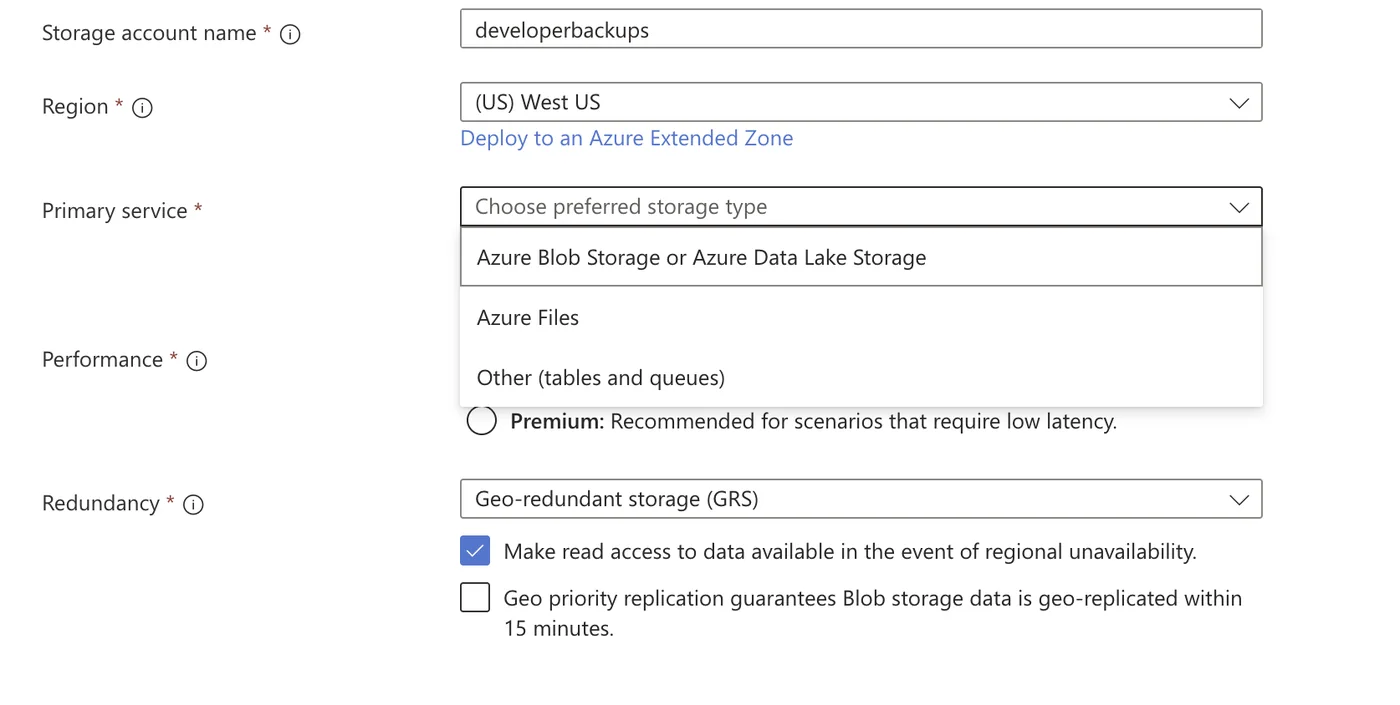
Next, we decide where the information may live. Azure has the Sweden Central region, and AWS and Google Cloud have regions in Stockholm. With Azure Policy, service control policies in AWS and organisation policies in Google Cloud, we stop resources outside the approved regions.
Encryption and keys
We encrypt all information both at rest and in transit. For sensitive information, we also use customer-managed keys in Key Vault or in a hardware module. That way, the authority itself controls the keys and can switch off access.
Permissions and logging
At the same time, we limit the access of the supplier and the administrators. We log every administrative action and keep the logs in a way that no administrator can change afterwards.
Protective security in the cloud
For security-sensitive operations, the ordinary rules are not enough. In that case, the Protective Security Act applies, and the authority needs to carry out a special protective security analysis before it outsources anything.
In some cases, the authority also needs a protective security agreement and consultation with the Swedish Security Service or the Armed Forces. Therefore, we often build a hybrid solution, where the most sensitive information stays in the authority’s own data centres.
You can find more about this in our article on the Protective Security Act and the IT environment.
Exit and continuity in cloud services for public authorities
An authority must be able to change supplier. Therefore, we plan from the start how the authority can move the information out, in which format and within what time.
Moreover, we build a contingency plan for outages. In other words, the authority should be able to continue its work even if a region or a supplier stops working.

You can also read about disaster recovery in the cloud and about the Cybersecurity Act and NIS2, which also applies to many authorities.
The Swedish Parliament’s decision on lifting secrecy in outsourcing appears in the report of the Committee on the Constitution.
Why public authorities engage us for cloud services
We have worked with the Swedish defence industry, telecoms and the public sector. As a result, we understand both the technology and the requirements for confidentiality and protective security.
Our prices start at €400 per hour excluding VAT. In addition, we offer a fixed price for a risk analysis or for the whole introduction. Contact us via the form on our home page.
Frequently asked questions about cloud services for public authorities
Laws and requirements
- May public authorities use public cloud services?
- What does the secrecy exception for outsourcing mean?
- When did the new rule start to apply?
- When is it inappropriate to hand over information to a supplier?
- What does the law on confidentiality in outsourcing mean?
- How does foreign legislation affect the choice of supplier?
- Does the General Data Protection Regulation apply to cloud services too?
- When does the Protective Security Act apply?
- Do we need a protective security agreement?
- Must the authority consult the Swedish Security Service?
Technology and governance
- How do we classify the information?
- Where does the information live in Azure, AWS and Google Cloud?
- How do we stop resources outside Sweden?
- What are customer-managed keys?
- Can the supplier read our information?
- How do you log the administrators’ actions?
- Can we combine our own data centre and the cloud?
- How do we move our information out when changing supplier?
- How does the contingency plan work during outages?
- Do you also help municipalities and regions?
Price and cooperation
- Can you draw up the risk analysis for us?
- Do you work with our contracted supplier?
- Do you have experience of security-sensitive operations?
- Do you work on site in Stockholm?
- How long does an introduction take?
- Do you document the solution for audits?
- What does a risk analysis cost?
- Do you offer a fixed price?
- Can you take care of operations afterwards?
- How do we get started?